
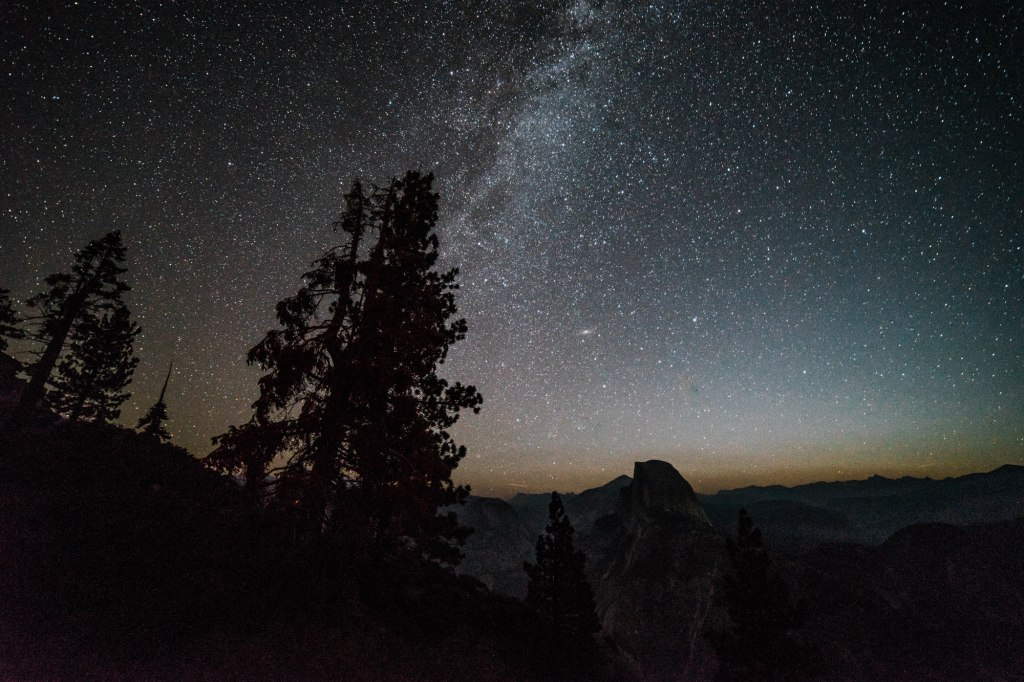
Star-gazing has been around for thirty thousand years before Christ. Babylonians and Mesopotamians (modern-day Iraq and Syria) studied the stars along with early Chinese, Central American, and European cultures.
Astronomy was used by early cultures for timekeeping, navigation, spiritual practices, and agricultural planning.
Now, moving forward to present times, Black Americans have historically faced systemic exclusion and racism in outdoor spaces, creating lasting barriers like fear, lack of access, and cultural disconnects stemming from segregation in parks, violence (e.g., Ahmaud Arbery), lack of tailored programming, underrepresentation, and stereotypes that label nature as a “white” activity, although many Black individuals maintain strong connections to nature through fishing, gardening, and reclaiming these spaces for joy and freedom, notes the Center for American Progress.
Historically, the United States has segregated and excluded people of color from public lands. Black people have been segregated since the Civilian Conservation Corps. The nation’s beaches, public lands, and other natural areas have also been sites of institutionalized racism against communities of color. This exclusion persists in many ways, including underrepresentation of people of color in hiring at natural resource agencies and the history of different groups represented in national parks and national forests. As well as making people of color feel unwelcome or in danger in nature, it affects visitation to national parks and other public lands.
West Harlem Art Fund is determined to change that dynamic. Our mission is public art and design. Therefore engaging in the outdoors without being pushed into doing neighborhood clean ups is important to us. We believe stewardship involves more and addresses issues of climate change and environmental improvements.
Due to the snow storm we had to push back our 1st stargazing event in Morningside Park. It will now be January 30th, 2026 at 5pm. Meet us at 112th Street and Manhattan Avenue.


Leave a comment