
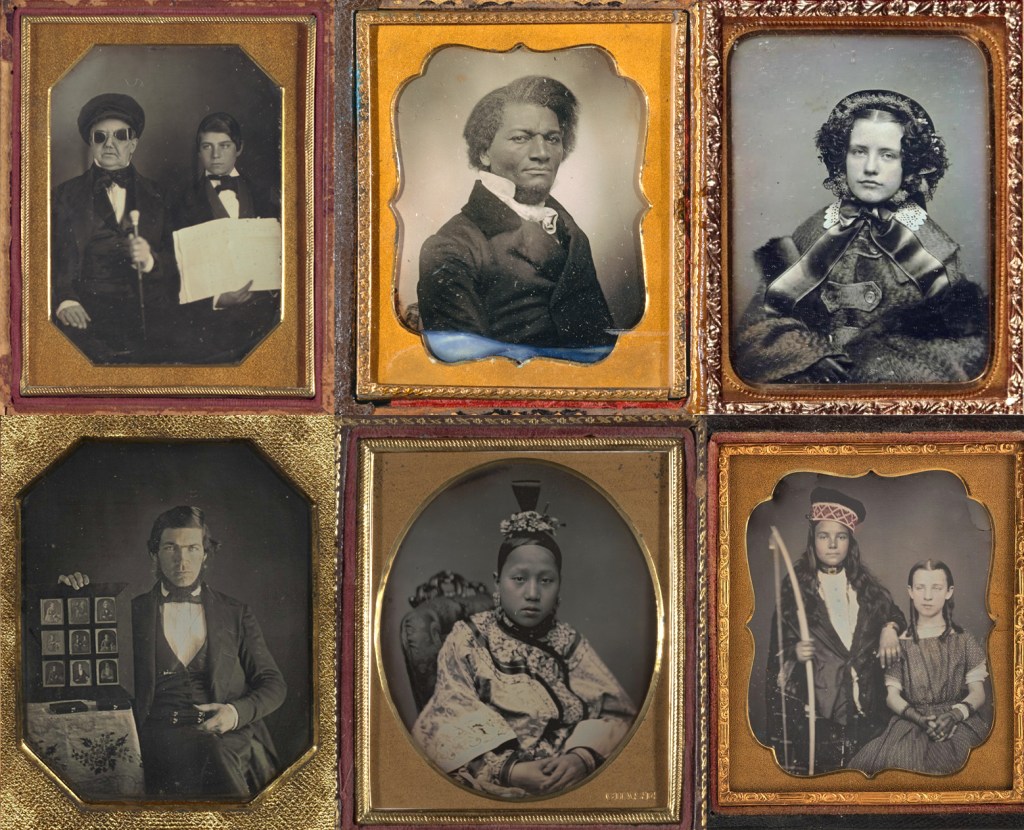
Photography as an art form began in 1839 with French artist Louis-Jacques-Mandé Daguerre (1787–1851). He called his invention the daguerreotype, a one-of-a-kind image on a highly polished, silver-plated sheet of copper. Samuel Morse, American inventor and painter, brought the invention to NYC and the first studio opened in 1840. Key developments included 19th-century Civil War documentation, Western landscape photography and the 1880s Kodak roll-film revolution.
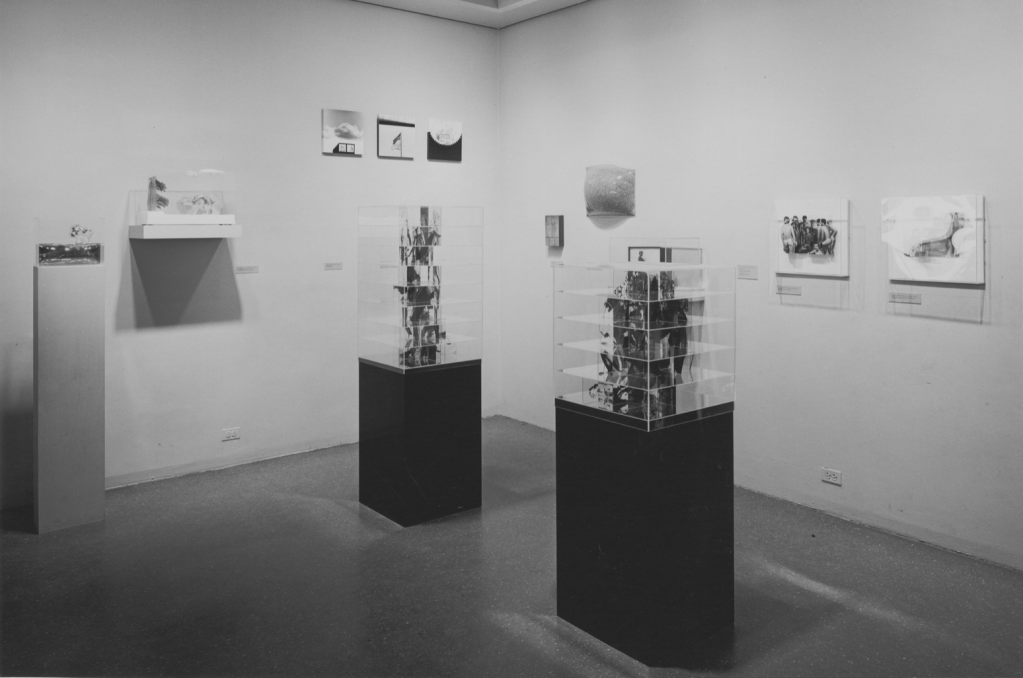
Moving to the 20th century, Peter C. Bunnell encouraged contemporary photographers during the 1960s & 1970s to get works off the wall, make them three dimensional. Twentieth century, photographers like Edward Steichen and Clarence White used soft focus and radical manipulation to imbue their work with “pictorial meaning,” moving away from objective recording.
The 1960s and 1970s saw radical change everywhere in the United States. And curator Peter C. Bunnell pushed artists in the ground breaking exhibition “Photography into Sculpture” at MoMA to think outside of the box. In that show the photograph became an object about something, rather than a picture of something.
Photography’s merger with sculpture still continues to this day. The use of 3D scanning and now printing which allows the layering or relayering of images into physical form.


Leave a comment