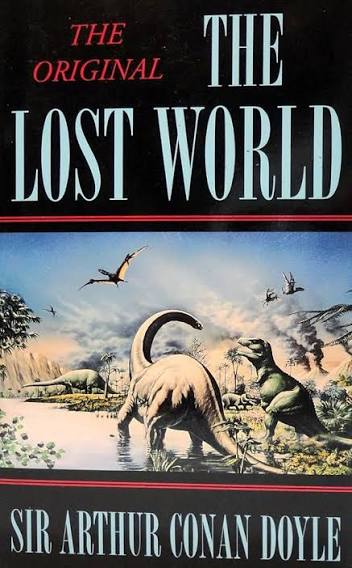
According to Wikipedia, The “lost world” is a subgenre of fantasy and science fiction centered on the discovery of isolated, unknown civilizations or prehistoric lands out of time. Popularized in late-Victorian and Edwardian literature, stories often feature perilous expeditions to uncharted, cartographically sealed regions like deep jungles, isolated plateaus, or the hollow earth.
The genre originated during an era of genuine archaeological and geographical discovery (e.g., excavating Troy or the Valley of the Kings), which fueled public belief that undiscovered societies still existed. The earliest narrative is widely considered H. Rider Haggard’s King Solomon’s Mines (1885), followed by Rudyard Kipling’s The Man Who Would Be King (1888).

Highbridge Park
This summer, the West Harlem Art Fund, Brotherhood Sister Sol, Columbia University and others along with the Natural Areas Conservancy will embark on a new adventure hiking the Old Croton Aqueduct Trail in Highbridge Park to learn about the natural conditions there (including trees, native flora, invasive species and animals) along with the impacts of climate change. Group participants will be given journals and encourage to write down their observations. That would include both natural and man-made features. We will also share stories from the Lost World genre and compare the experiences in modern time.
We hope this will peak the curiosity of local residents about their neighborhood and their role as stewards.
The 3 Core Drivers
According to behavioral psychology, this sense of ownership is cultivated through three specific psychological routes:
- Perceived Control: Having authority or input over an environmental space (e.g., voting on local park designs) increases ownership feelings.
- Intimate Knowledge: Understanding how a local ecosystem functions or learning the history of a specific habitat fosters attachment and stewardship.
- Self-Investment: Dedicating personal resources, such as volunteering time to clean up a beach or planting a community garden, binds a person’s identity to that space.
Fostering collective psychological ownership (feeling “this nature is ours”) yields higher levels of civic engagement and broader environmental concern. Adding a layer of public art will transform Northern Manhattan spaces into a more engaging ecosystem for everyone to enjoy.
Leave a Reply